




America’s Cultural Revolution. Del II
I den första artikeln om Christopher Rufos nya bok, America’s Cultural Revolution: How the Radical Left Conquered Everything (Broadside Books, 2023), fokuserade vi på två karaktärer: Frankfurtfilosofen Herbert Marcuse och hans student, kommunisten Angela Davis. I denna artikel kikar vi lite närmare på de två andra ledande gestalterna i den amerikanska kulturrevolutionen: den brasilianske pedagogen och kommunisten Paolo Freire och Harvardjuristen Derrick Bell. Vi säger också några ord om CRT eller kritisk rasteori och förklarar varför wokerevolutionen i Amerika har kallats “maoistisk”.
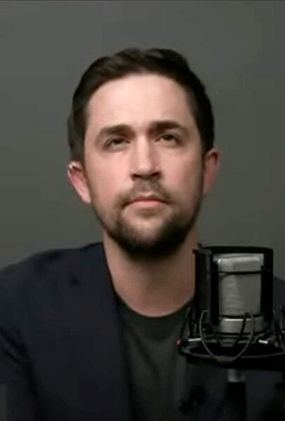
Christopher Rufo. Källa: Wikimedia.

Paulo Freire
Den brasilianske pedagogen Paulo Freire är en central figur i den amerikanska kulturrevolutionen. Freires pedagogik är baserad på premissen att det liberalkapitalistiska samhället har förslavat människor och döljer förtrycket med olika myter. Här är några exempel:
- Det liberalkapitalistiska samhället främjar ekonomisk och politisk frihet.
- Liberalkapitalistiska samhällen respekterar mänskliga rättigheter.
- Privategendom är grundläggande för mänsklig utveckling.
Freire avfärdade allt detta som ideologiskt motiverat nonsens. Freire var kommunist och kämpade för en kommunistisk värld. Han formligen avgudade Che Guevara:
Che Guevara is an example of the unceasing witness revolutionary leadership gives to dialogue with the people. … Guevara did not hesitate to recognize the capacity to love as an indispensable condition for authentic revolutionaries. … In this sense, Guevara incarnated the authentic revolutionary utopia. He was one of the great prophets of the silent ones of the Third World. Conversant with many of them, he spoke on behalf of all of them.
Problemet, som Freire såg det, är att kommunister är en bristvara i väst. Utan kommunister, inga kommunistiska revolutioner. Freire menade att det är de intellektuellas uppgift är att skapa dessa kommunister. Detta ska emellertid inte ske genom kommunistisk agitation på gator och torg. Freire uppmanade i stället vänstern att infiltrera utbildningssystemen i liberalkapitalistiska länder och sakta transformera dessa till verktyg i kampen för kommunism.
Rufo menar att det är exakt vad som har hänt i Amerika.
Universitetsprofessorer som har utbildats i Freires teorier har “dekonstruerat” och “dekoloniserat” traditionella läroplaner och ersatt dessa med program för social rättvisa. Universitetsadministratörer med Freire-sympatier har infört DIE-träning för all personal och gjort det, mer eller mindre, omöjligt för personer med icke-progressiva åsikter att få anställning.
Här är sex exempel.
Kaliforniens Ethnic Studies Model Curriculum är modellerat på Freires pedagogik. I det instrueras lärarna att hjälpa studenterna att utmana imperialistiska och koloniala teorier, kritisera vit överhöghet och att delta i kampen för social rättvisa.
I Seattles skolor inleds lärarmöten med att personalen redogör för sina pronomen och ifrågasätter sina vita privilegier.
I Buffalos kommunala skolor är läroplanen numera “emancipatorisk” och eleverna uppmuntras att föreställa sig ett Amerika i vilket det vita, europeiska rättssystemet ersatts med ett traditionellt afrikanskt rättssystem.
I William D. Kelley, en låg- och mellanstadieskola i Philadelphia, lär sig eleverna hylla “svart kommunism”.
Kalifornien tvingas tredjeklassare att rangordna sig själva i termer av “privilegier”.
I San Diego rekommenderade skoladministratörer “antirasistisk terapi” för vita lärare.
En skola i New York skickade ett brev till alla vita föräldrar med uppmaningen att bli “vita förrädare” och förespråka “avskaffande av vithet”.
Rufo menar att detta pågår i skolor över hela USA. Freire är en av de mest citerade “pedagogerna” i USA. Det är omöjligt att utbilda sig till lärare i Amerika utan att tvingas läsa Freire.
Derrick Bell
Derrick Bell är den sista aktören i Rufos revolutionsdrama. Bell var Harvards första svarta juridikprofessor. Han var extremt paranoid och övertygad om att Amerika är ett rasistiskt samhälle. Inget kunde övertyga honom om motsatsen. Det faktum att han hade anställts trots att han saknade erforderliga meriter spelade ingen roll. Federala lagar mot diskriminering och segregation avfärdades som betydelselösa. Inte ens det faktum att Barack Obama blev president tack vare ett starkt stöd från Amerikas vita befolkningsmajoritet övertygade Bell om motsatsen. Han förblev övertygad om att rasism är inskrivet i Amerikas DNA.
När Bell inte undervisade, skrev han korta berättelser i vilka han fick utlopp för sin förföljelsemani. I The Space Traders beskriver han hur USA:s regering säljer landets svarta till utomjordingar i utbyte mot kärnkraft och guld.
Bells kunskaper i marxism var ytliga, men han hade noggrant studerat
Gramsci och Freire. I likhet med Gramsci och Freire hatade han alla former av kapitalism. Han deltog i demonstrationer och strejker. Han krävde att Harvard skulle anställa fler kritiska rasteoretiker och när universitetet vägrade hotade han att säga upp sig.
Efter det att Bell hade publicerat ytterligare en novell, Faces at the Bottom of the Well, i vilken vita detonerar en bomb på Harvard som dödar alla svarta och Harvards president, fick universitetet nog och Bell fick sparken. För Bell var avskedandet ytterligare ett bevis på att han var utsatt för en rasistisk konspiration. Efter att ha sökt och fått ny anställning på New York University, trappade han upp sin kampanj. Han hyllade antisemiten Lois Farrakhan och beskrev vita som grymma, själviska, sadistiska, exploaterande och onda.
Bell är betydelsefull för Rufo därför att han skapade en ny akademisk disciplin: Kritiska juridiska studier. Influerad av Gramsci och Freire hävdade Bell att syftet med all juridik, utom naturligtvis kritiska juridiska studier, är att rättfärdiga status quo. CRT eller kritisk rasteori växte fram ur kritiska juridiska studier.
Amerikansk maoism
CRT eller kritisk rasteori är den dominerande wokedisciplinen i Amerika. Kritisk rasteori är ett virrvarr av Bells kritiska rättsstudier, postmodern relativism, intersektionell feminism, marxistisk, kritisk teori och svart nationalism. Den kritiska rasteorin såg dagens ljus under en konferens i Madison, Wisconsin, 1989. Richard Delgado var en av deltagarna och beskrev samlingen som ett “gäng marxister”. Derrick Bell var också närvarande, liksom Kimberlé Crenshaw. Det var Crenshaw som gav den nya doktrinen dess namn. Crenshaw är också en av den intersektionella feminismens portalfigurer.
Om CRT är teorin, är DIE eller “diversity, inclusion, equity” CRT tillämpad. Faktum är att man kan lära sig mycket om teorin genom att se hur den tillämpas.
DIE-träning är omskolningsprogram som är modellerade på de program för indoktrinering som den kinesiska staten använde under kulturrevolutionen. DIE-program förekommer över hela USA. De används av federala och delstatliga myndigheter, de uppträder i utbildningssektorn och i privata företag.
Hur fungerar det rent praktiskt? Låt oss börja med ett konkret exempel.
Brad McDowell var sjukskötare vid Meritus Medical Center i delstaten Maryland. Maryland tvingar, med jämna mellanrum, vita anställda som arbetar i sjukvården att delta i DIE-träning. I januari innevarande år blev McDowell beordrad att delta i DIE-träning. I kursmaterialet beskrevs USA på följande sätt:
[the U.S. is built on] an ideology of White supremacy that justifies policies, practices and structures which result in social arrangements of subordination for groups of color through power and White privilege.
McDowell struntade i att delta i kursen. Han hade deltagit i en tidigare beordrad kurs om mödradödlighet. Mödradödlighet är högre bland svarta kvinnor än bland vita kvinnor och sessionen baserades på antagandet att det beror på att vit sjukvårdspersonal negligerar svarta mödrars behov. Någon kritisk diskussion av denna premiss förekom inte. Tvärtom. Frågan var inte om vit sjukvårdspersonal tog livet av svarta kvinnor, utan varför och hur det skulle kunna undvikas i framtiden.
Ett par veckor senare blev McDowell på nytt beordrad att delta i DIE-träning. Vit sjukvårdspersonal anklagades nu för omedveten rasism. MacDowell struntade i att delta även i den kursen. Irriterad över politiseringen av sjukvårdsyrket skrev han följande på sin Facebooksida:
No employer has the right to invade the unconscious spaces of its [sic] employees’ minds in an attempt to reprogram them into thinking certain ways. If your employer signs you up for an ‘Unconscious Bias’ aka ‘Implicit Bias’ training, then they are doing exactly that.
Drygt en månad senare avskedades McDowell.
DIE-träning har kallats “amerikansk maoism”. Skälet är, som vi redan har påpekat, att det finns likheter mellan DIE-sessioner och de omskolningsprogram som den kinesiska staten använde under kulturrevolutionen.
Det handlar naturligtvis inte om en perfekt identitet. Långt ifrån. Kritisk rasteori är en mutation av klassisk marxism. CRT-teoretiker har ersatt klass med ras, kapitalism med vit rasism, vit hudfärg med borgare och icke-vit hudfärg med arbetare. Den revolutionära metoden har också den uppdaterats. Eftersom klass inte är centralt i kritisk rasteori, har klasskamp ersatts med DIE-träning.
Kritisk rasteori är inte en traditionell akademisk disciplin. Biologer försöker förstå hur naturen fungerar. Fysiker försöker förstå verkligheten på ett fundamentalt plan. Psykologer studerar mänskligt beteende i syfte att utveckla diagnostiska teorier. CRT är en strategi för maktmaximering. Det kommunistiska målet ska nås genom en systematisk och permanent demonisering av vita amerikaner.
Låt oss därför titta lite närmare på hur en DIE-session skulle kunna se ut.
Antag att du blir bjuden på mat. Meningen är, förklarar värden, att du ska provsmaka. Personen som bjuder dig på maten säger att han redan har smakat på den och bedömt den som utsökt. Du tar en tugga och säger: “Inget vidare”. Mannen replikerar snabbt: “Fel svar! Smaka igen.”
DIE-sessioner baseras på axiomet att du är skyldig. Detta postulat är inte förhandlingsbart. Det är inte något som ska ledas i bevis. Om du hävdar din oskuld under en DIE-session, anses det tvärtom bevisa din skuld. Endast brottslingar förnekar sin skuld.
DIE-konsulten Robin DiAngelos begrepp “white fragility” är ett exempel. DiAngelo hävdar att alla vita är rasister. Det är inte en hypotes som DiAngelo vill testa, utan ett axiom. Hur hanterar DiAngelo vita som begär att hon ska dokumentera sitt påstående? Hon säger att krav på evidens är “white fragility”. Vit sårbarhet är, förklarar hon, en psykologisk försvarsmekanism som vita använder när deras rasprivilegier ifrågasätts. Med andra ord:
- Om du accepterar DiAngelos påstående att du är rasist, är du rasist.
- Om du inte accepterar DiAngelos påstående att du är rasist, är du rasist.
Under kulturrevolutionen greps miljontals människor av kommuniststaten för påstådda brott mot folket. Arresterade personer fick ofta inte veta vilka brott som de hade begått. Det enda som de fick veta var att de hade begått ett brott mot folket och att de måste erkänna brottet. Om de protesterade och hävdade sin oskuld, fick de svaret att kommuniststaten inte arresterar oskyldiga.
Föreställ dig att det är du som har blivit gripen av polis eller rödgardister. Du får en bunt papper och en penna och uppmanas skriva ned en bekännelse. Vad har du gjort? Varför? Vilka är dina medkonspiratörer?
Du har ingen aning om vad man vill att du ska bekänna.
Nu startas kampsessionen.
Kinesiska kompressioner kunde vara fysiskt brutala. Det skiljer dem från DIE-sessioner. Under en kinesisk kampsession kunde du utsättas för fysisk misshandel. DIE-träning är mer en form av psykologisk tortyr.
De båda systemen har dock samma målsättning. Målet är inte endast att du ska godta anklagelserna. Kampsessioner och DIE-träning kan vara oerhört plågsamma och ibland erkänner människor brott som de inte har begått för att få ett slut på terrorn. Syftet med kampsessioner och DIE-träning är att du ska känna genuin skuld över dina handlingar. Du ska vilja erkänna.
Hur får man människor att vilja erkänna brott som de inte har begått?
Kinesiska kampsessioner syftade till att få den anklagade att betrakta sig själv och sina handlingar ur “folkets perspektiv”. Med “folk” avsågs naturligtvis inte det kinesiska folket, “folk” var en abstraktion vars definition varierade med kommunistpartiets behov.
Igår tillhörde du folket. Idag är du en folkfiende.
Partiet bestämmer.
Kampsessioner använde fysisk och psykologisk misshandel för att underminera människors verklighetsuppfattning och få dem att acceptera anklagelserna. DIE-träning innebär att deltagarna manipuleras psykologiskt att acceptera sin nya kriminella status.
Under en kinesisk kampsession anklagas du för brott mot folket. I en DIE-session är det inte folket som du har oförrättat, utan en eller flera intersektionellt definierade minoriteter. Sessionens tema kan vara ett abstrakt begrepp, till exempel “vithet”. Sessionsledaren kanske inleder sessionen med att säga att vithet är ett stort problem i samhället. Därefter tittar han på dig med en penetrerande, borrande blick. “Vad vill du säga?” frågar han.
Du har naturligtvis ingen aning.
Precis som i exemplet ovan från kinesiska kulturrevolutionen är det din uppgift att lista ut vad som förväntas av dig. DIE-sessioner har, liksom kinesiska kampsessioner, som målsättning att förändra dig på djupet. Ditt beteende är inte det primära problemet. Det är du som är problemet och under DIE-sessionen ska du finna ut på vilket sätt du är ett problem.
Detta kräver, i sin tur, att du betraktar dig själv ett ur intersektionellt definierat rasperspektiv. Faktum är att du inte endast ska se dig själv på ett nytt sätt, du ska, så till den milda grad identifiera dig intellektuellt och emotionellt med det nya perspektivet att det blir det enda möjliga perspektivet på verkligheten. Först då förstår du att du, trots allt, är rasist. Först då kan du känna genuina skuldkänslor över din vithet.
Du måste, med Freires ord, dö och återfödas ideologiskt innan du kan återinta din plats i folkgemenskapen.
Disney har ett utbildningsprogram kallat “Reimagine tomorrow”. I materialet utmålas Amerika som rasistiskt och transfobiskt. Enligt Reimagine tomorrow är följande djupt problematiska påståenden:
- Jag är vit.
- Jag identifierar mig med mitt biologiska kön.
- Jag är man.
Vita uppmanas agitera för ett avskaffande av polisen och att dekolonisera sina bokhyllor. Vita föräldrar uppmanas att göra sina barn mer rasmedvetna och varnas för att även nyfödda vita barn kan vara rasister.
Lockheed Martin har ett omskolningsprogram i vilka vita män ska tränas till att bli mindre individualistiska, att arbeta mindre effektivt och att sluta koppla ihop hårt arbete med framgång.
Bank of America har ett omskolningsprogram vars syfte är att vita anställda ska “dekolonisera sitt tänkande” och avstå makt till icke-vita.
Google tränar anställda att dekonstruera sina ras- och könsidentiteter.
Kommunikationsföretaget AT&T kräver numera att vita anställda deltar i omskolningssessioner i vilka målsättningen är att de ska erkänna att de är rasister.
Slutord
Marx var övertygad om att kapitalismen skulle bryta samman ekonomiskt och att det efterföljande sociala och ekonomiska eländet skulle provocera fram socialistiska revolutioner i väst. Kapitalismen kollapsade emellertid inte. Tvärtom. Kapitalistiska samhällen växte ekonomiskt, de spred inte endast välståndet till alla medborgare, människor i väst åtnjöt demokratiska fri- och rättigheter som människor i resten av världen endast kunde drömma om.
Lenin drog slutsatsen att socialistiska revolutioner kräver eliter. Socialistiska revolutioner är statskupper och de genomförs av välbeväpnade avantgarden åt arbetarklassen, inte av arbetarklassen.
I America’s Cultural Revolution hävdar Christopher Rufo att den amerikanska kulturrevolutionen är en elitrevolution. Det är en kommunistisk revolution. Det är eliterna mot folket.
Det är också denna revolutions största svaghet. Det är i hög grad en revolution som subventioneras med skattemedel. Problemet är, menar Rufo, därför långt ifrån omöjligt att lösa. Den federala regeringen och delstatsregeringar kan minska anslagen till universiteten till den milda grad att de inte längre har råd med DIE-byråkrater, CRT-departement och genusstudier. Delstatspolitiker kan stoppa introduktionen av CRT i skolor.
Kanske underskattar Rufo wokerevolutionens gräsrotskaraktär. Det var, trots allt, inte universitetsprofessorer i kritisk rasteori och vithetsstudier som satte fyr på bilar och byggnader och kastade sten på poliser under kravallerna för två år sedan. Det var i huvudsak helt vanliga ungdomar. Rufo är övertygad om att med god politisk vilja kan problemet lösas. Frågan är emellertid om inte skadan redan är skedd.